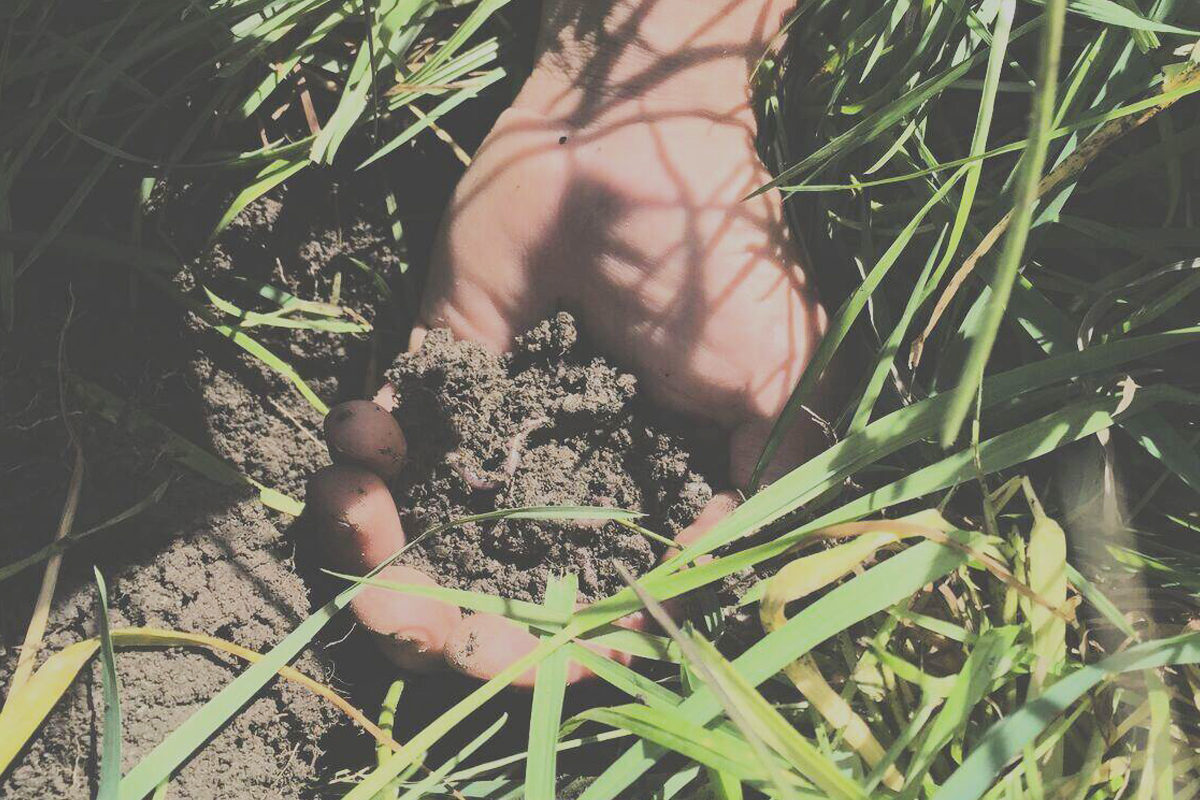

Regenerative agriculture is a term that’s been gaining traction in recent years. Yet, many are still unsure about its implications and benefits. Let’s tackle some of the most common questions around this sustainable farming practice.
1. What exactly is regenerative agriculture?
At its core, regenerative agriculture refers to farming practices that aim to restore and enhance the health of the soil. Rather than just focusing on avoiding harm (like many sustainable practices), regenerative methods actively improve the environment.
It’s an approach to farming that improves the health of the soil, water, air, and biodiversity. It does this by mimicking natural processes and working with the land, rather than against it.
Regenerative agriculture practices include:
- No-till Farming: A planting technique that leaves the soil intact rather than plowing which disturbs soil structure, depletes essential nutrients, and releases carbon.
- Composting: The breakdown of organic material, such as food scraps and yard waste, that produces a nutrient rich soil amendment. Compost acts as a natural fertilizer and pesticide leading to healthier plants, more nutritious food, and less chemical inputs. Organic matter helps strengthen soil structure, improving water retention and reducing erosion.
- Cover cropping: Planting cover crops, such as clover or rye, in between cash crops. These plants are grown to protect and enrich the soil, not for harvest. They prevent erosion, improve soil health, and can suppress weeds.
- Crop Rotation: Growing different crops in succession helps reduce disease and pest issues. Each plant type draws and deposits different nutrients, keeping the soil balanced
- Rotational grazing: Moving livestock through field paddocks in planned patterns. Manure, scratching, and hooves compacting the earth helps to improve the health of the soil and provides a more natural diet for the animals.
- Integrated pest management: Using a variety of practices to manage pests, such as crop rotation, biodiversity, native plant species, and biological controls. This helps to reduce the need for petroleum-based pesticides.
